
How to Build Together: Reader, Sorter, Builder

- As seen on FOXFOX 4 holiday gift guide
- Free design proofoptional, before anything is made
- Sorted by colorlabeled bags and a printed map
- Order by December 15to receive it before Christmas
Building a brick mosaic together works well when everyone has one clear job: one person reads the map, one sorts the colors, and one presses the bricks. This guide shows how to set up those three roles at home or in a classroom, with simple turn-taking tips for autistic kids, siblings, parents and anyone else who wants to join in.
The idea comes from the role structure used in LEGO-based therapy, the best-studied brick activity for autistic children. This is a family activity, not therapy, and it is not a substitute for one. For the research in plain words, including how small the measured results were, see our main guide to brick mosaics as a calm, shared activity.
Where the three roles come from
In LEGO-based therapy, a small group of three children builds a model together. Each child has a role:
- Engineer: reads the instructions and describes what is needed.
- Supplier: finds the right bricks and hands them over.
- Builder: puts the bricks in place.
The roles give everyone something concrete to do and a reason to communicate. A brick mosaic fits this structure well, because it has a printed map, bricks sorted into color bags, and one simple action: pressing a 1×1 brick onto a baseplate.
Memobrick is not affiliated with the LEGO Group. LEGO is a trademark of the LEGO Group.
The three roles, adapted to a mosaic
The Reader
The Reader holds the printed color map and says which color comes next. For example: "Three blue, then one white." The Reader can point to the spot on the map, say it out loud, or both.
Helpful for the Reader:
- A ruler or a strip of paper under the current row, so the place is never lost.
- A pencil to tick off each finished row on a copy of the map.
- Permission to point instead of talk. Pointing counts.
The Sorter
The Sorter looks after the colors. The bricks come in small bags labeled by color, so the Sorter opens the bags that are needed, keeps colors apart, and hands over the next brick or a small handful.
Helpful for the Sorter:
- A muffin tin, ice cube tray or a few small bowls, one color in each.
- Opening only the colors needed for the current row or section.
- A "done" bowl for any bricks that end up in the wrong place.
The Builder
The Builder presses each brick onto the baseplate in the spot the Reader names. It is a small, repeated motion.
Helpful for the Builder:
- Building one row at a time, from one side to the other.
- Using the building tool included in the kit to remove a brick placed in the wrong spot.
- A good light over the baseplate, so the rows are easy to see.
Getting started
Pick a size for the group
For two or three people, the 20×20 kit is a comfortable start: 4,096 bricks on four baseplates, with an estimated build time of about 4 hours in total. Each baseplate is a natural place to pause or switch roles. For a shorter first try, a 16×16 (2,500 bricks on one baseplate, about 2.5 hours) is smaller still. Larger sizes have more baseplates, so a bigger group can work on different ones at the same time.
Choose the picture together
Agree on a photo before you start. A pet, a place you all know, or a family picture works well. Upload it in the Memobrick editor and look at the preview together.
Explain the roles before the first brick
Explain each job simply, show it once, and let everyone choose a role to start with. You could write the three roles on cards. A short visual schedule ("Reader, Sorter, Builder, then switch") can help everyone know what comes next.
Turn-taking tips
The roles give turn-taking a clear shape. Here are simple ideas to try. Use the ones that fit your group.
Switch on a clear signal
Decide in advance when roles switch. Good signals are:
- After every row, or every five rows.
- After one baseplate.
- When a timer goes off (10 or 15 minutes works for many groups).
A predictable switch avoids arguments about who goes next.
Use a visible turn marker
Hand a small object to whoever has the next turn, or move a card along a strip that shows the order. Seeing whose turn it is can be easier than remembering it.
Let people stay in a favorite role
Not everyone wants to switch. If one person loves sorting and another only wants to press bricks, that is fine. The roles are a tool, not a rule.
Keep words short and the same each time
Use the same phrases every time: "Next color?", "Blue, three", "Done". Consistent words make the job predictable for everyone.
Make mistakes easy to fix
If a brick goes in the wrong place, the Builder removes it with the tool and tries again. Say it once, calmly, and move on. A mosaic is very forgiving.
Stop before anyone is done with it
End the session while it is still going well, at the next stopping point. It is easier to start again next time.
In a classroom
Teachers and teaching assistants can run several groups of three, each on its own baseplate of a larger mosaic, or each with its own smaller kit. If you work with students professionally, our page for occupational therapists and special-education teachers covers planning a classroom build.
A safety note on small parts
The kit has many small bricks. It is not suitable for young children or for anyone who puts things in their mouth. Keep loose bricks off the floor and away from small children and pets.
FAQ
Is this the same as LEGO-based therapy?
No. It borrows the three-role structure (engineer, supplier, builder) and adapts it to a mosaic for families and classrooms. LEGO-based therapy is a structured program studied in research. This guide is not therapy.
How many people do we need?
Three is ideal, one per role. Two people can share: one reads and sorts while the other builds. One person can do all three jobs alone.
How often should we switch roles?
Pick a clear signal before you start, such as every row, every baseplate, or every 10 to 15 minutes. Some people prefer to keep one role the whole time, and that is fine too.
What size should a group start with?
A 20×20 has four baseplates, which gives natural places to switch roles. A 16×16 is a shorter first build on one baseplate.
Can Memobrick make the design for us?
Yes, if you want help. Memobrick's designers can create it and send a free proof before production. It is optional, and you can always make it yourself in the editor.
More in this series
- Brick mosaics as a calm, shared activity for autistic kids and adults
- Sensory-friendly building tips
- Turning a special interest into a brick mosaic
Start your group build
Choose a photo everyone likes and start your design in the editor. Prefer help with the design? Ask for a free proof.
Real reviews from Loox
What builders say about the kit
4.9 out of 5 · 1,027 reviews
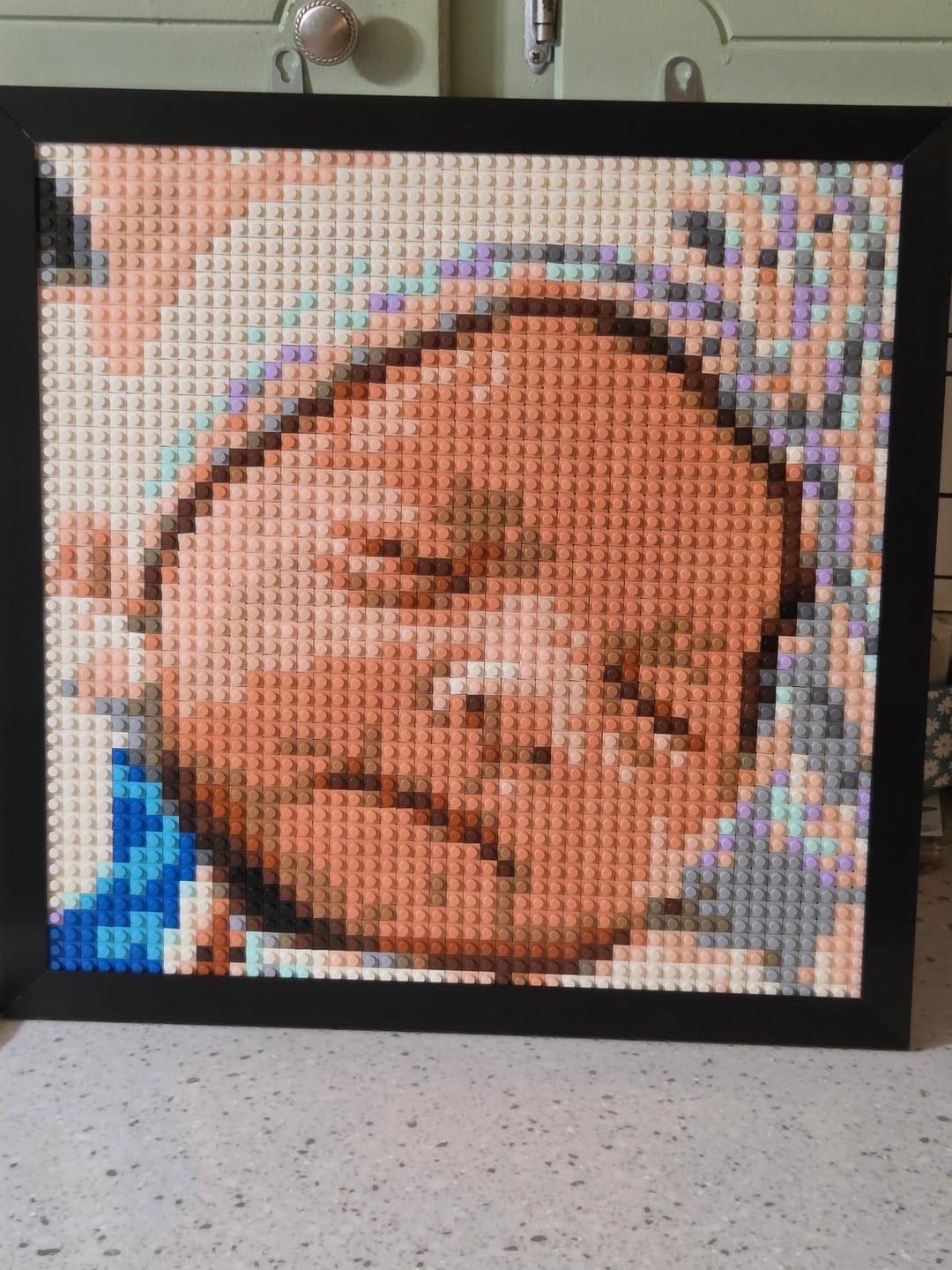
Always such a great and unique gift to give to friends and familyRichard J. · Verified buyerCustom Bricked Mosaic Portrait 16x16"
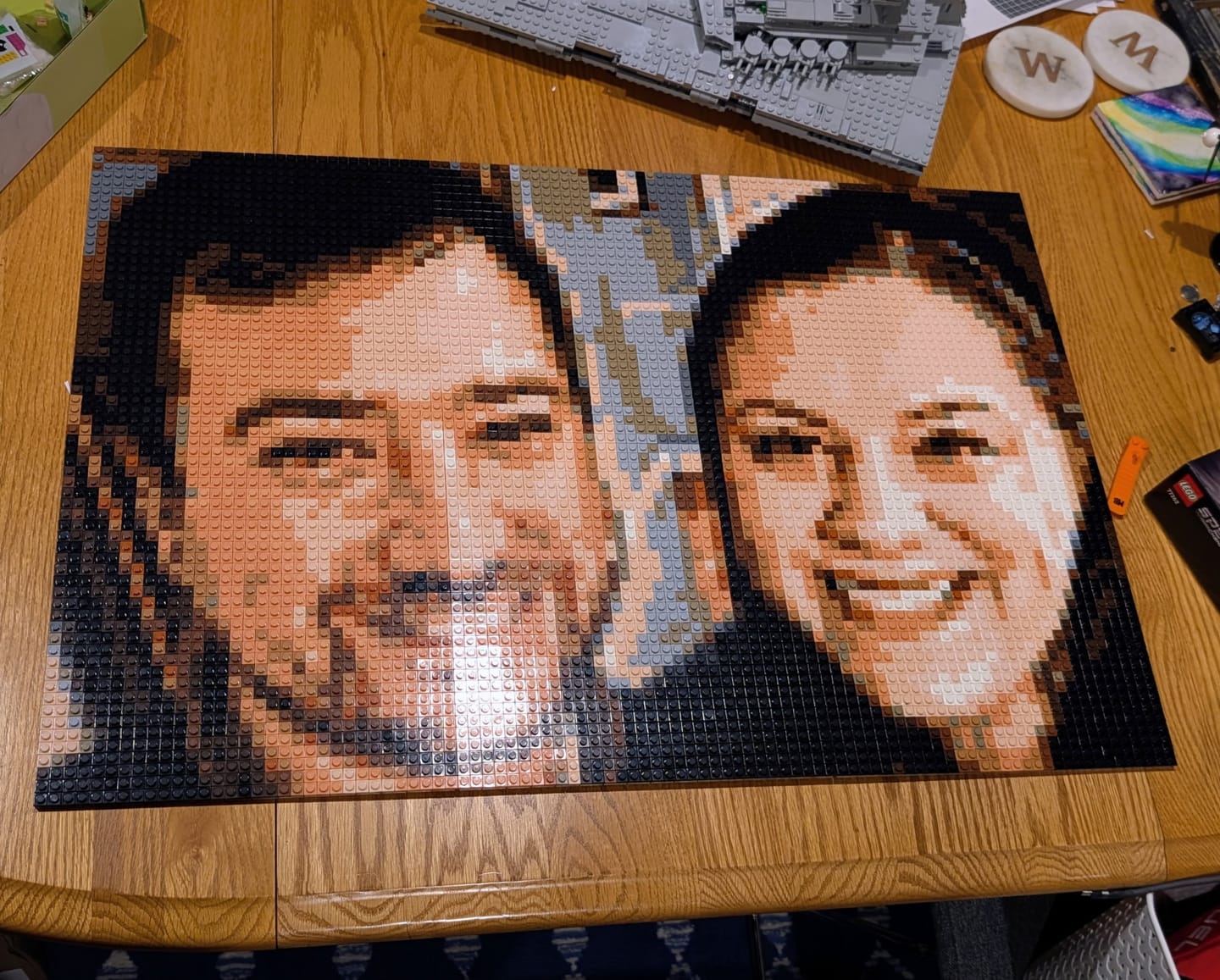
ExcellentDonna K. · Verified buyerCustom Bricked Mosaic Portrait 20x30"

My son loves it!!Steve B. · Verified buyerCustom Bricked Mosaic Portrait 16x16"
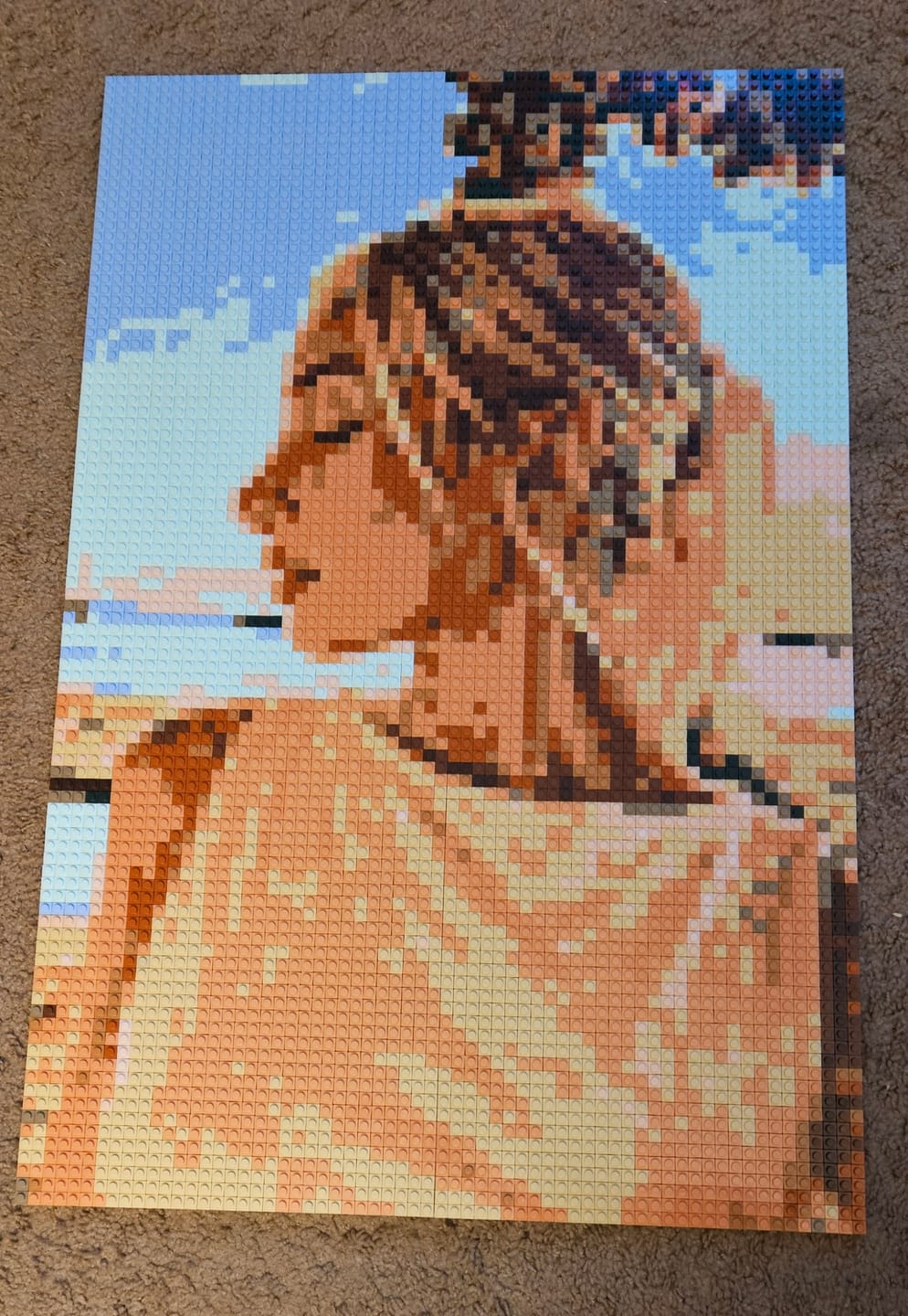
Another spectacular job turning a photo into art. She's already asking when we're going to do another one.Tim R. · Verified buyerCustom Bricked Mosaic Portrait 20x30"
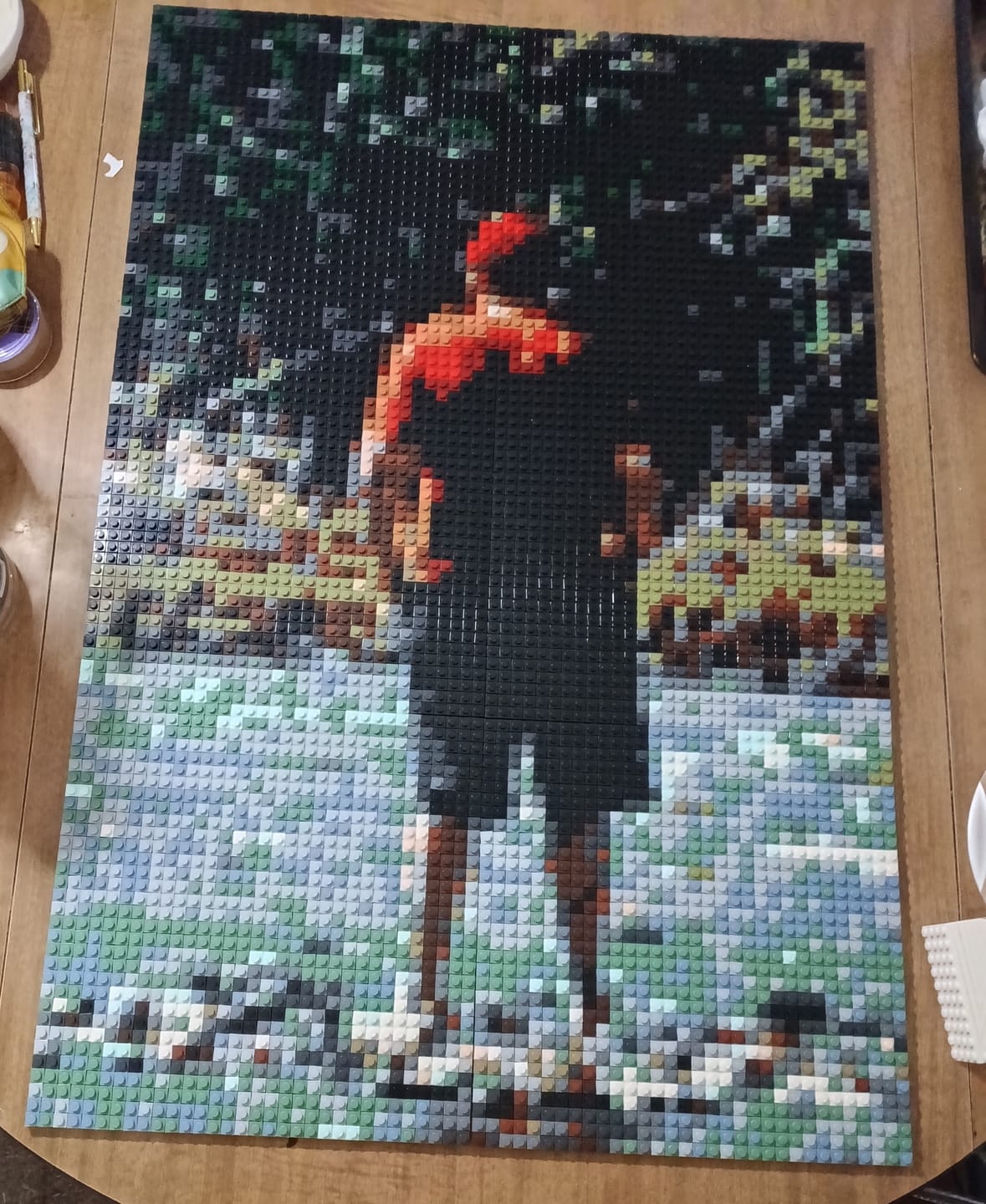
Absolutely love my memobrick order. Will definitely recommend to family and friends.Nicole N. · Verified buyerCustom Bricked Mosaic Portrait 20x30"
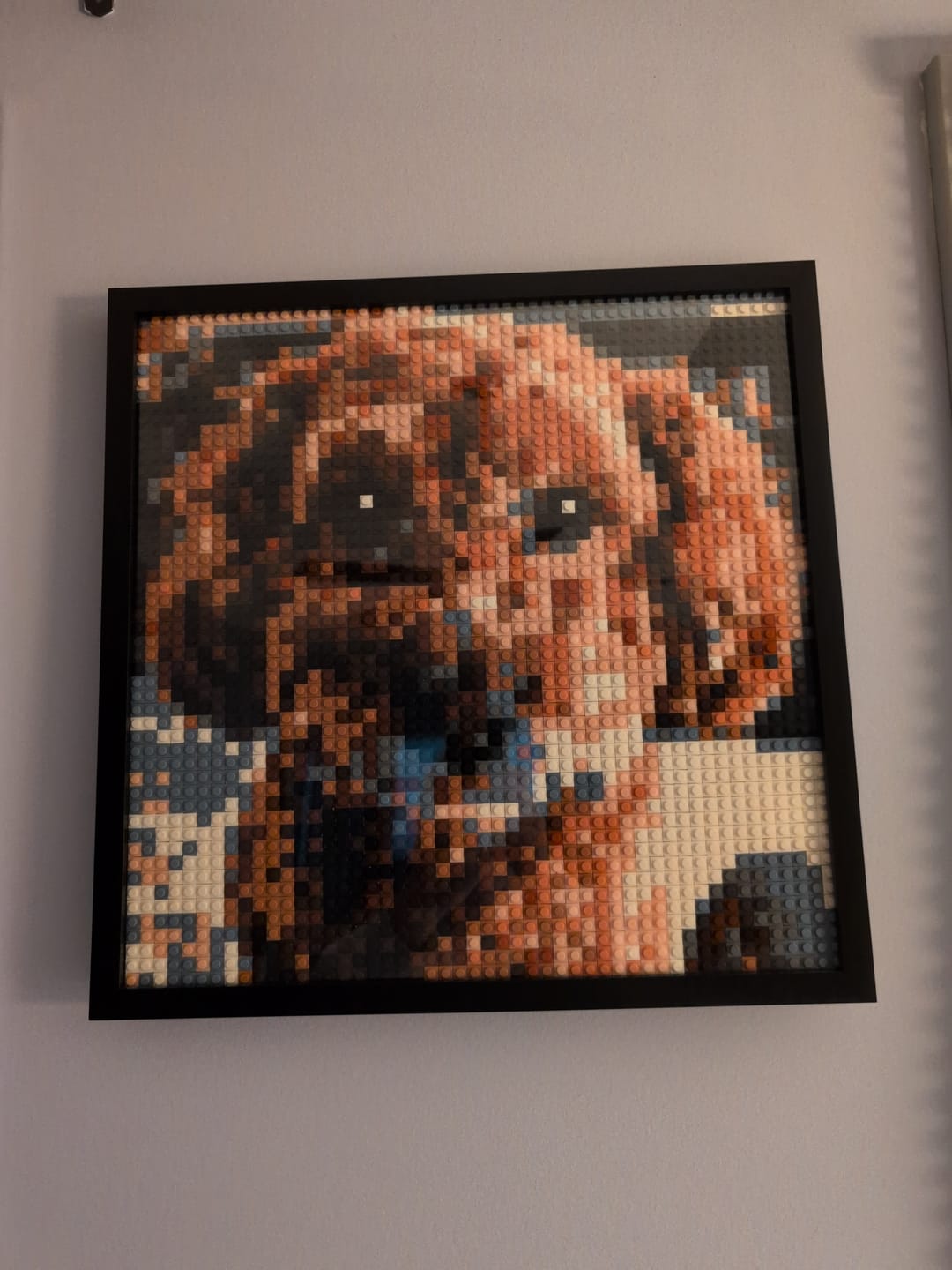
great product, great gift ! my wife loved putting the mosaic together, and the instruction sheet and whole kit are great quality ! we are going to order again !Brian B. · Verified buyerCustom Bricked Mosaic Portrait 16x16"
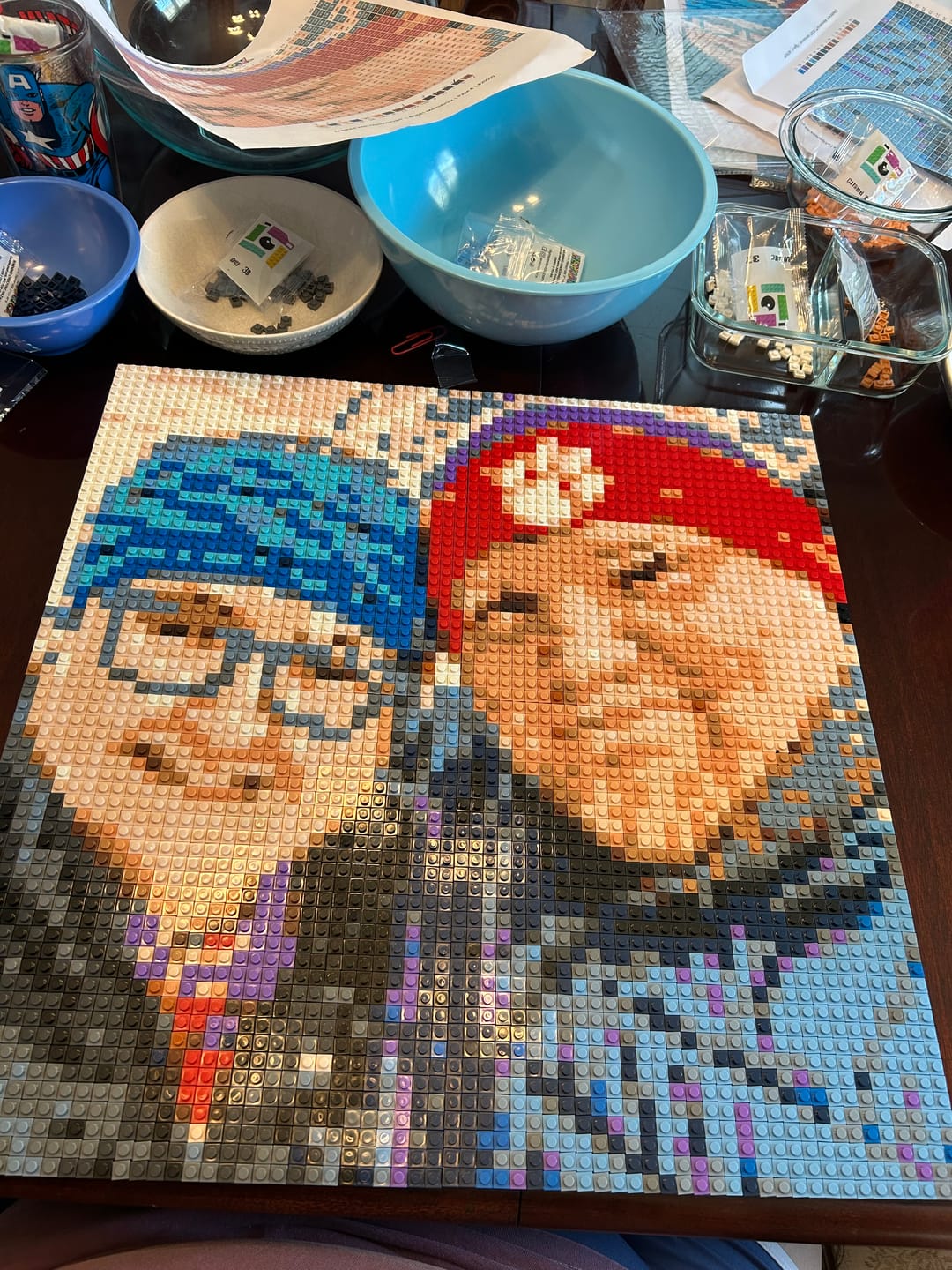
This was so much fun to do with my boyfriend! We loved doing it and can’t wait to hang it in our house. It came out so good!Ellen S. · Verified buyerCustom Bricked Mosaic Portrait 20×20"
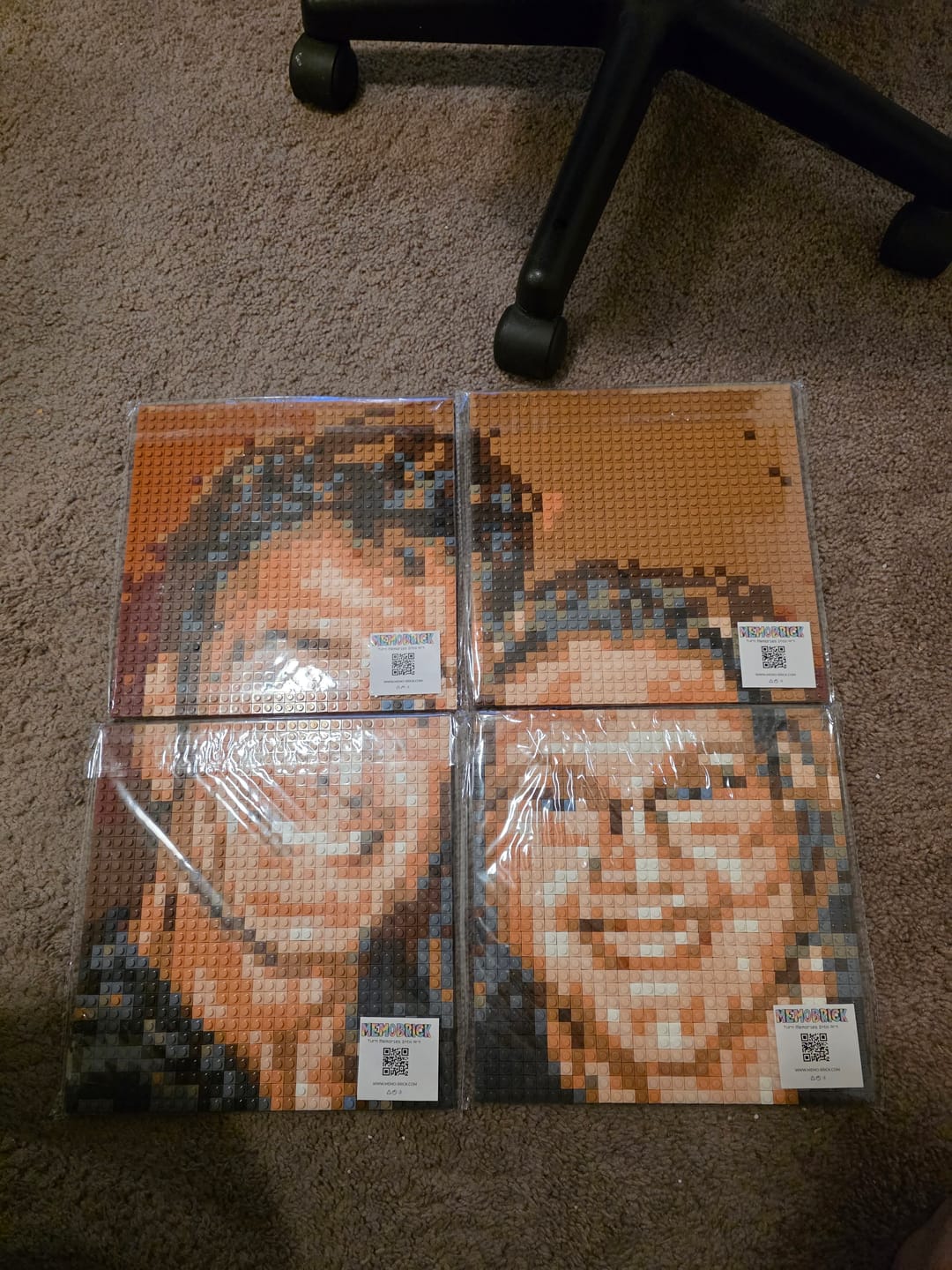
This was so much fun to do! I just love how it turned out! I'm just waiting until I can get a shadow box for it, and then I'll hang it on my wall 😁Lauren D. · Verified buyerCustom Bricked Mosaic Portrait 20×20"
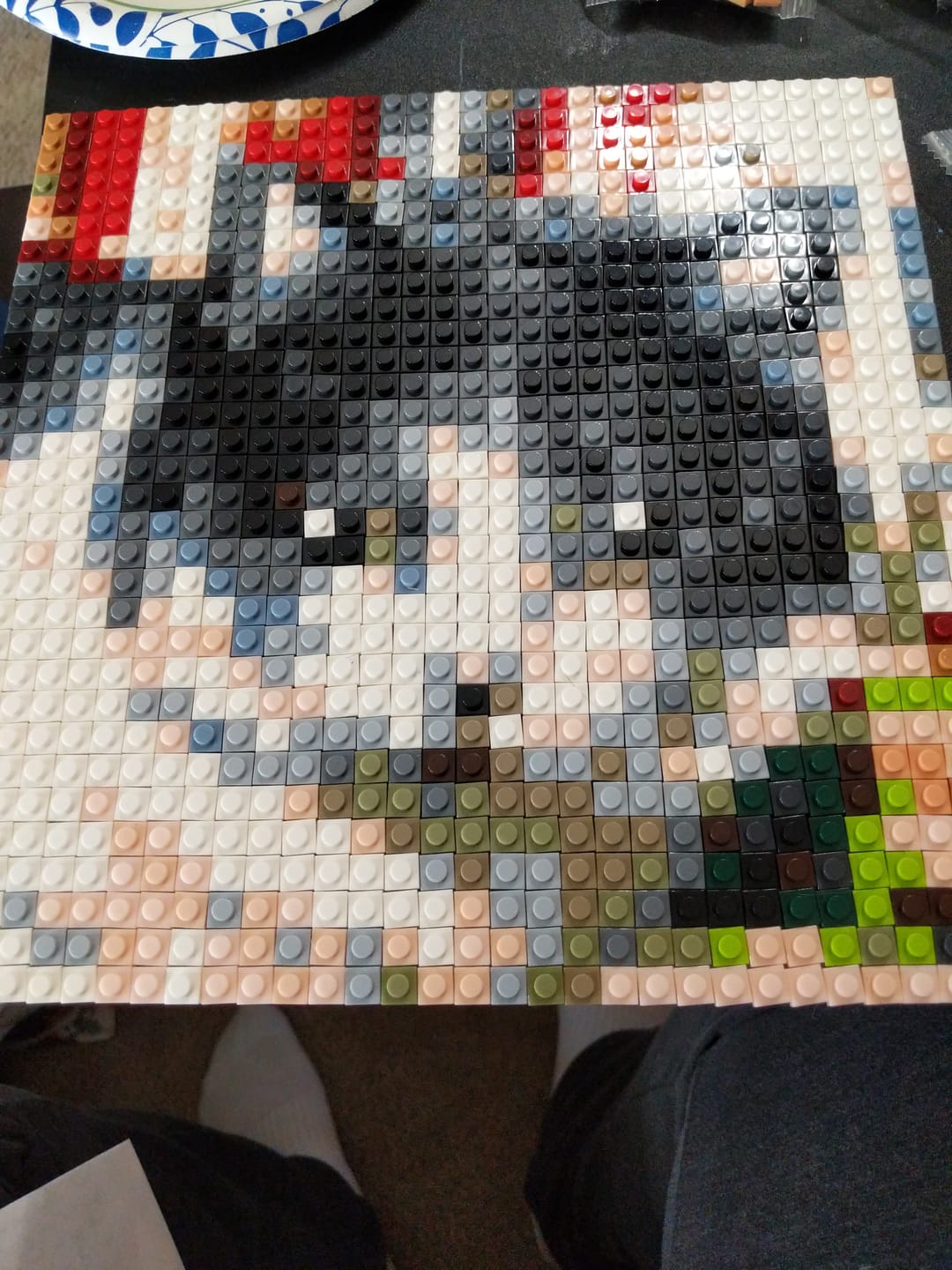
It looks blurry to me but it is okMary S. · Verified buyerCustom Bricked Mosaic 10x10" (one face only)
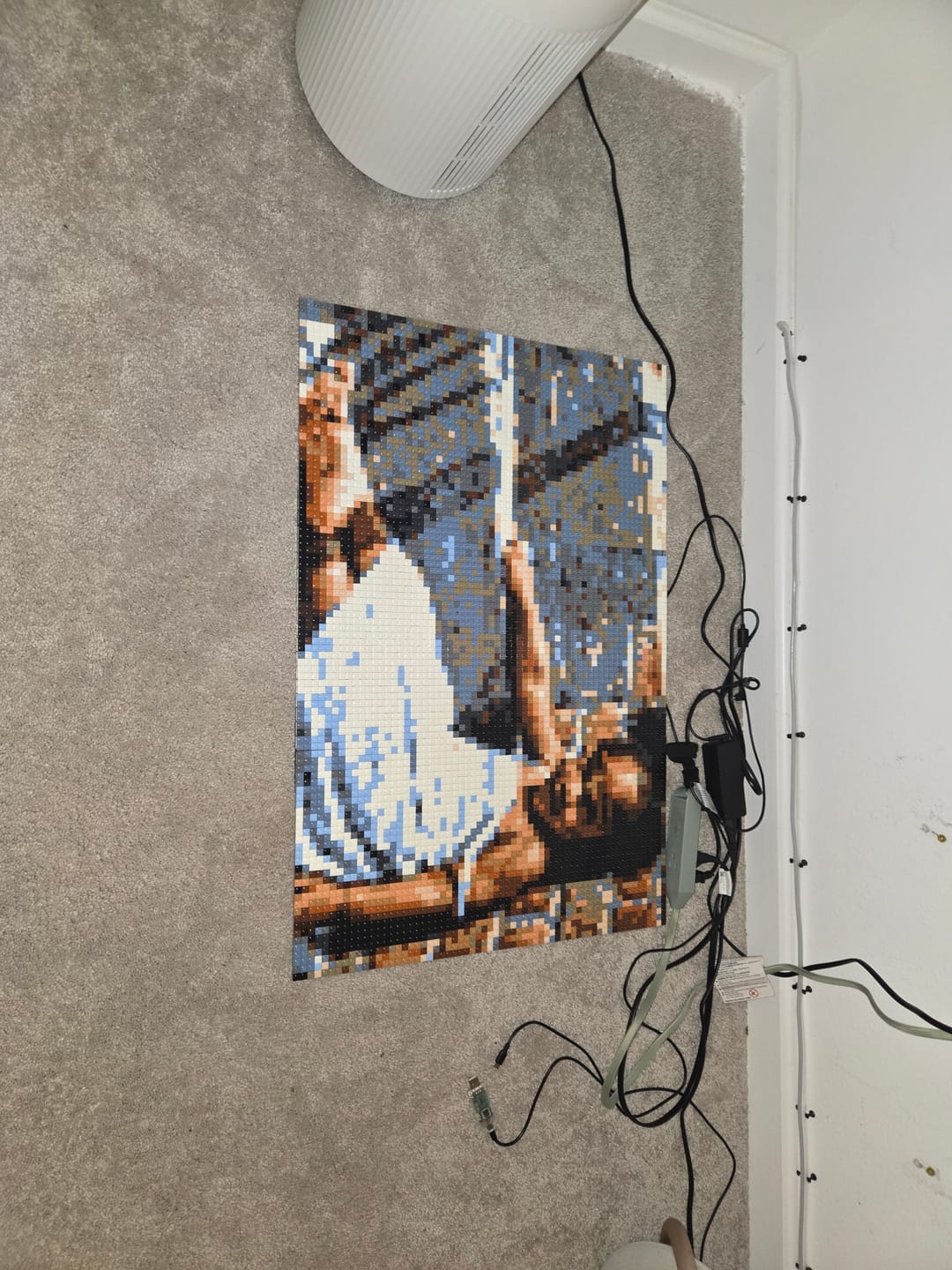
A little hard to snap in sometimes and see the letters through the block but it came out greatGiselle D. · Verified buyerCustom Bricked Mosaic Portrait 20x30"
More in the calm building series
 Building a Brick Mosaic as a Calm, Shared Activity for Autistic Kids and Adults
Why predictable, repetitive brick building feels good to many autistic people, what the research does and d...
 Sensory-Friendly Building Tips
Short sessions, one row at a time, colors sorted first, a quiet space and good light: practical sensory-fri...
 Turning a Special Interest Into a Brick Mosaic
Turn a pet, a favorite train, a character or family into a brick mosaic to build. Photo tips for each, plus...